
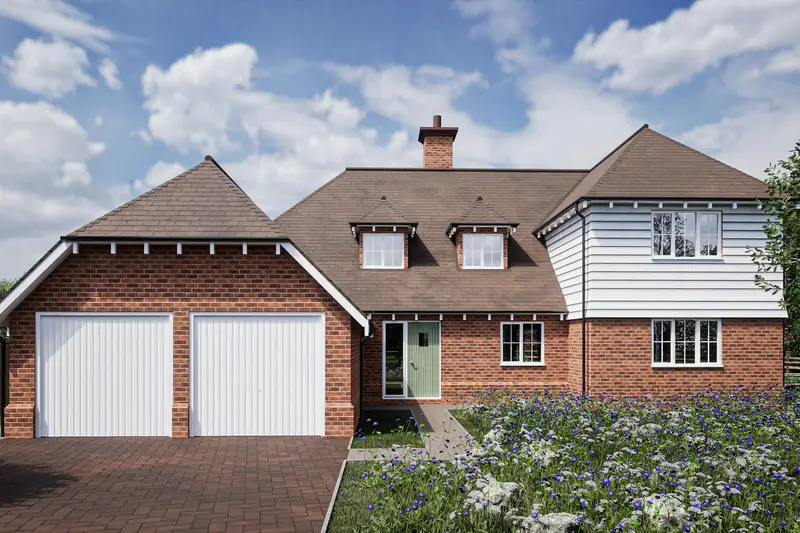
Driveways & Block Paving
Block paving, permeable paving and new driveways built on a properly dug, compacted base.
Find out more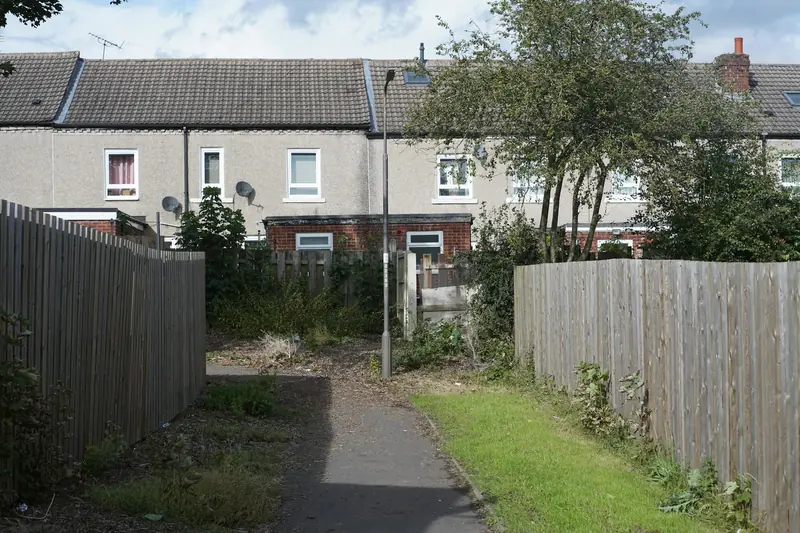
Leaning posts, snapped rails, loose panels or a section flattened by the wind — we repair what can be saved and tell you honestly when a run needs replacing.
Most fence problems start at ground level. Timber posts sit in damp soil year after year, and even pressure-treated wood eventually softens where it meets the ground or the concrete. Once a post weakens, the wind does the rest: the fence starts to lean, panels rattle in their slots and, in a storm, a whole section can go over. Other common causes are posts that were never set deep enough, panels sitting directly on the soil with no gravel board, and climbing plants or ivy adding weight and holding moisture against the timber.
Understanding the cause matters, because a repair that only treats the symptom will fail again. A panel can be replaced in minutes, but if the posts either side are rotten, the new panel will be on the ground by next winter.
If most of the posts are sound and the damage is limited to a few panels or rails, a repair is usually the sensible choice. If posts are failing along the whole run, panels are brittle and grey, or the fence has been patched several times already, a full replacement often costs less in the long run than repeated call-outs. During the visit we check every post by hand, show you what we find and give you both options where they make sense. We never push a new fence when a repair will do the job.
When a replacement is the better answer, our fencing and gates page explains the styles we install, from closeboard to contemporary slatted fencing.
Storm damage tends to come in waves, with lots of fences down across York at once. If part of your fence has fallen, make it safe first: lay loose panels flat or move them away from paths and cars, and keep children and pets away from leaning sections. Take photos before anything is moved, as your home insurer may ask for them; some policies cover storm-damaged fences and some do not, so it is worth checking. Then call us on 01904 922494 or send a few photos through the quote form and we will arrange a visit.
Before any work on a shared boundary, it helps to know whose fence it is. Your title plan or deeds may show this, though often it is not recorded. Where a fence is shared or the owner is unclear, a friendly word with your neighbour before work starts avoids disputes, and we are happy to talk the plan through with both of you. We will also make sure the new or repaired fence goes back on the same line.
This is part of our fencing & gates service in York. We often combine it with patios, driveways and fencing so everything matches.
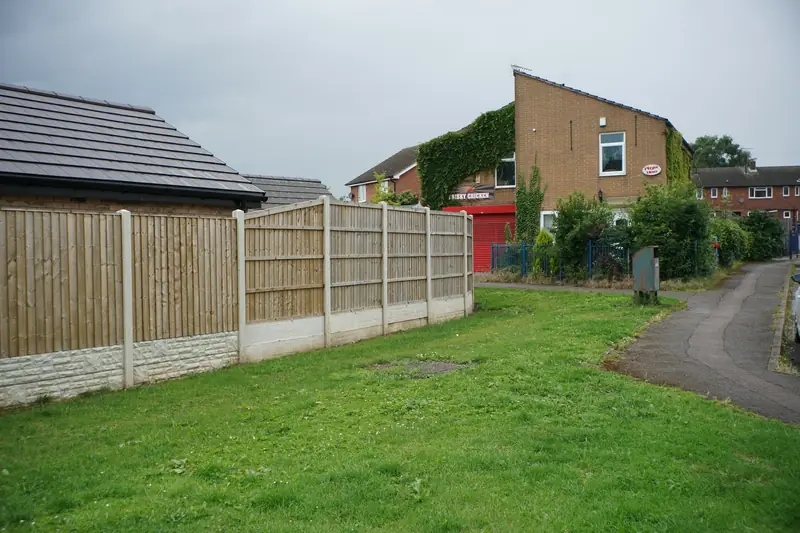
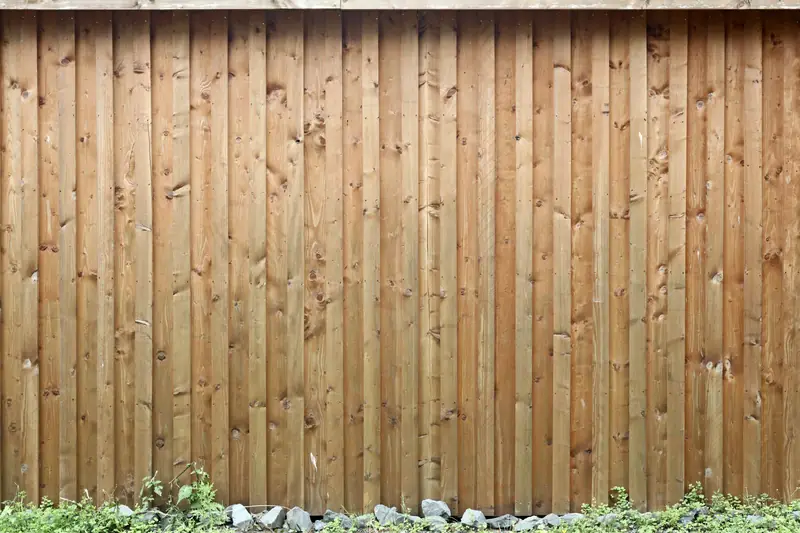
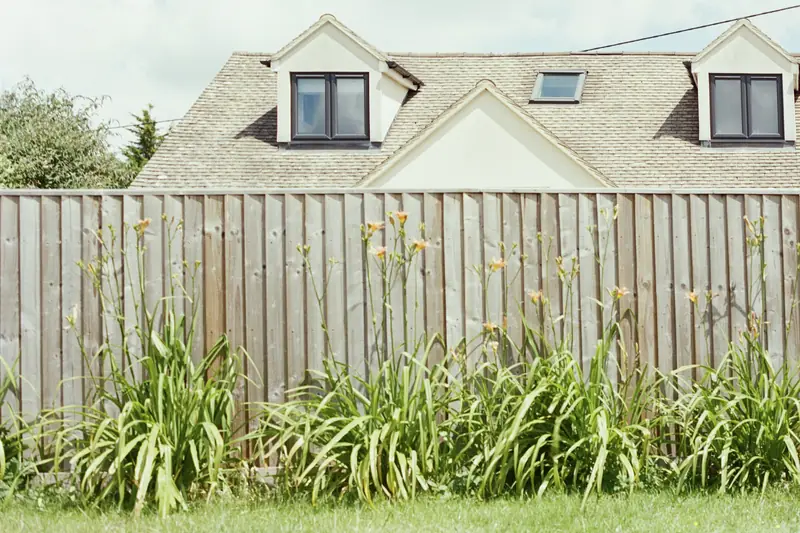
Images are illustrative examples.
Yes. We dig out the old post and concrete, set a new timber or concrete post at a suitable depth in fresh concrete, and refit the panels or rails either side.
We will match the style and height as closely as we can. New timber is lighter in colour at first, so we can suggest a stain or treatment to help it blend in.
For panel fencing in exposed or damp spots, concrete posts are often a good upgrade because they do not rot. For closeboard and slatted fences, good timber posts set properly usually suit better.
It depends on how busy things are after a storm. Send photos and your postcode and we will tell you honestly when we can get to you.
Yes. Damaged panels, posts and old concrete are removed and disposed of as part of the job.
Block paving, permeable paving and new driveways built on a properly dug, compacted base.
Find out more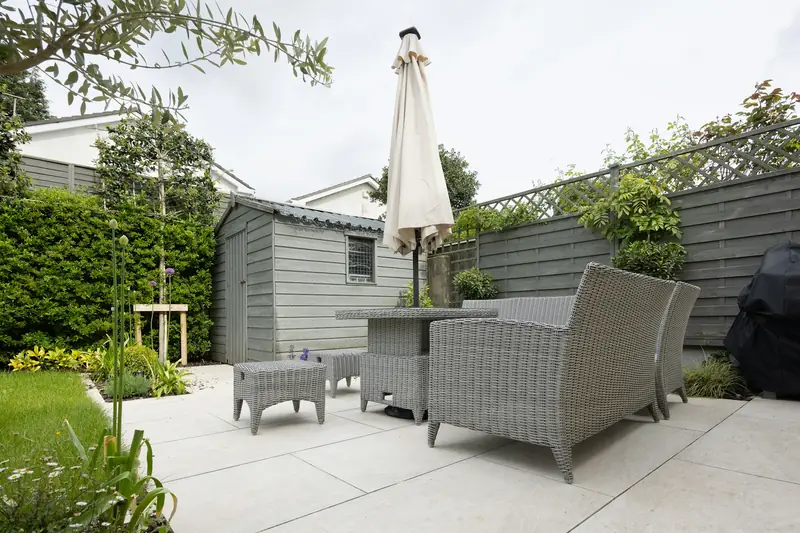
Natural stone, porcelain and sandstone patios, paths and steps laid level and drained.
Find out more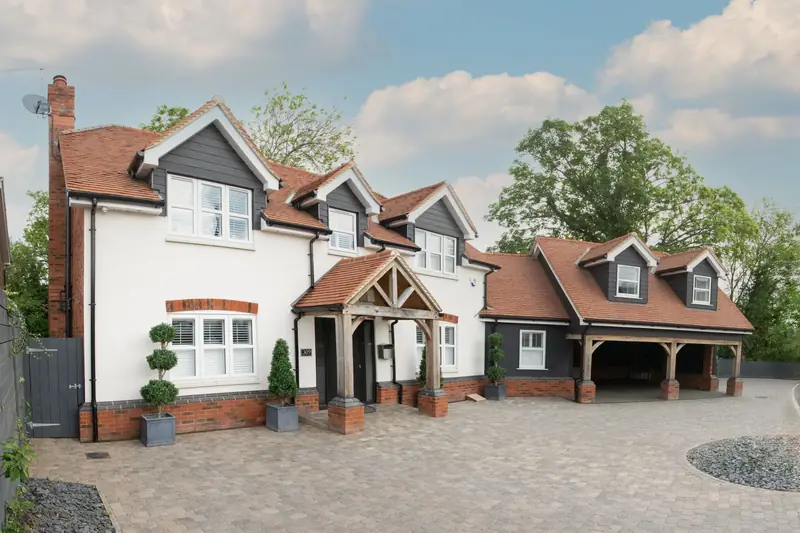
Closeboard, panel, slatted and post-and-rail fencing plus timber garden gates.
Find out more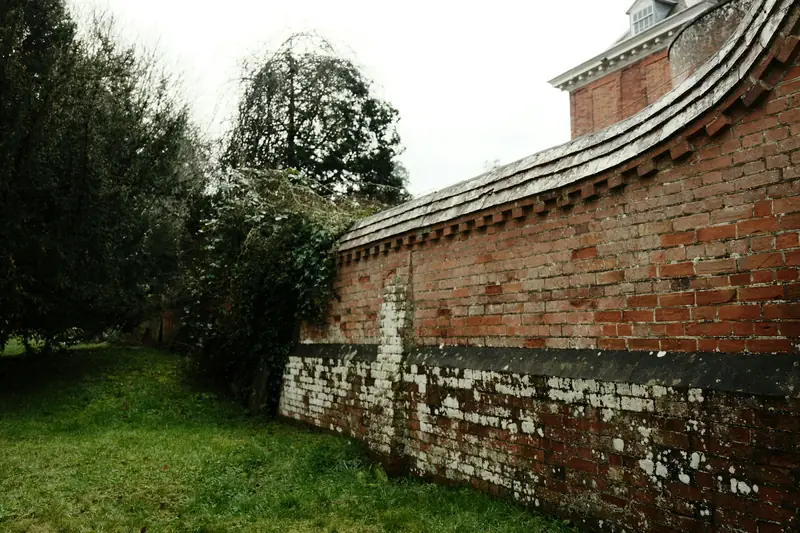
Brick and stone walls, raised beds, steps and complete hard landscaping.
Find out moreTell us a little about your project and we’ll arrange a visit to measure up and talk through options — anywhere in York and the surrounding villages.